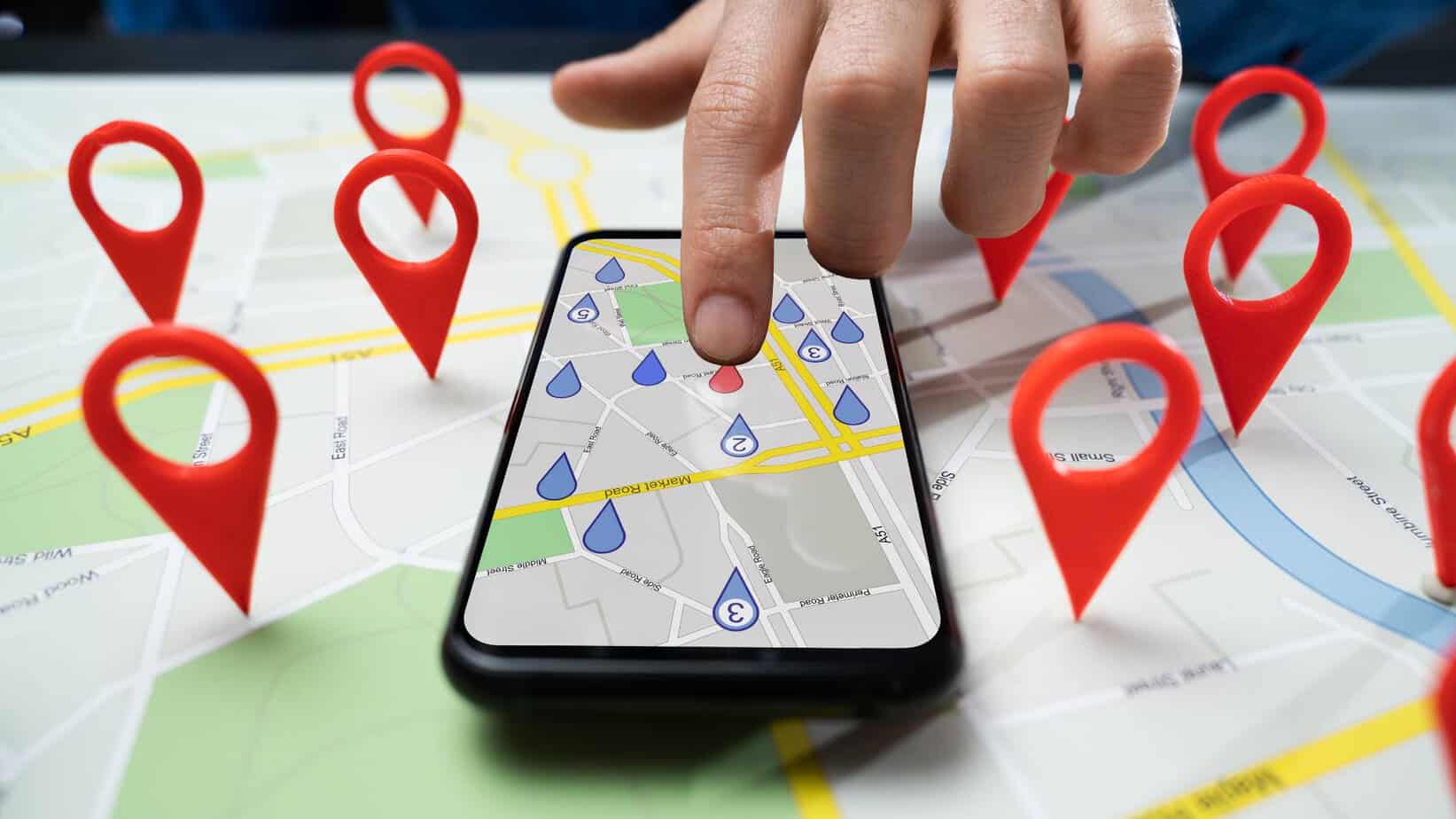

Picture this – two kids in the back seat on a road trip: sibling one, a journey aficionado – making playlists, prepping snacks, building the “vibe”. Sibling two, the destination dude – Map open, phone in hand, constantly asking “are we there yet?”.
Up front, the long-suffering parents who just want a smooth ride and a clear arrival.
Meet the siblings: Marketing and Sales
Marketing: the journey aficionado
Marketing is the older sibling who believes the trip should feel good.
They’re the one:
- making sure the car looks presentable (brand + visuals)
- planning the route so it’s interesting (content + campaigns)
- packing snacks so no one gets cranky (value + education)
- turning on the playlist that sets the mood (tone of voice + messaging)
- dropping hints about how great the destination is… without yelling about it (awareness + trust)
Marketing’s job is to get your parents (the customer) thinking:
“Yep — this trip is going to be epic! we trust the plan, and are excited to go.”
Sales: the destination dude
Sales is the younger sibling who doesn’t care about the playlist.
Sales cares about:
- getting everyone moving (action)
- avoiding stops (focus)
- choosing the fastest route (efficiency)
- making sure you actually arrive (conversion)
They’re the one saying:
“Cool vibe. Love that for us. But are we there yet?”
Sales’ job is to help customers decide:
“Yes — this was the right move. Let’s do this!”
Why they argue (and why your customers feel it)
These two argue because they measure success differently.
Marketing says:
- “People are noticing us.”
- “We’re building trust.”
- “Engagement is up.”
- “Traffic is growing.”
Sales says:
- “That’s nice. Where are the deals?”
- “Why aren’t they replying?”
- “Are these leads even real?”
And meanwhile, your customers, the poor parents in the front, are thinking:
“We just want an easy ride and a smooth arrival.”
Because when the siblings don’t get along, customers feel the friction:
- mixed messages
- inconsistent expectations
- pushy follow-ups too early… or none at all
- a brand that sounds one way online and totally different on the phone
Customers don’t wake up thinking, “I’d love to be marketed to today.” They want to:
- feel understood
- reduce risk
- make a good decision
- trust the provider
- feel confident spending money
Marketing helps them feel safe during their journey.
Sales helps them feel they’ve made the right decision once they get to their destination.
The truth: you need both the journey and the destination
Here’s the trap businesses fall into:
If you only do “journey” (Marketing without Sales)
You get a gorgeous trip. Amazing playlist. Snacks for days. Everyone’s vibing…
…but no one ever books, buys, or commits. It becomes a joyride.
If you only do “destination” (Sales without Marketing)
You might get quick wins…
…but it feels like a pushy, stressful drive with no context and no trust. People get out at the next stop and don’t come back.
Customers want both:
- a journey that builds confidence
- a destination that delivers outcomes
Why Sales and Marketing shouldn’t be the same
Sales and Marketing aren’t the same and they shouldn’t be.
- If Marketing turns into Sales, your content gets overly pushy and people switch off.
- If Sales turns into Marketing, your pipeline fills with “nice chats” and zero urgency.
The goal isn’t to blend them into one role.
The goal is to make them work together like a decent travel team.
How to get the siblings to play nice
You don’t need matching hoodies or a corporate kumbaya session. You need structure.
1) Agree on the “ideal customer”
Get specific:
- industry
- size
- location
- budget range
- problems you solve best
If Marketing targets everyone, Sales ends up stuck talking to no one.
2) Define what a “good lead” is
Is it:
- someone who fills in a form?
- someone who books a call?
- someone with budget + urgency?
Write it down. Use it. Stop arguing.
3) Create a feedback loop (the ultimate peace treaty)
Sales hears the real objections every day. Marketing needs that gold.
Do this:
- Sales shares the top 10 questions/objections each month
- Marketing creates content that answers them
- Sales uses that content in follow-ups
Now the journey supports the destination, and customers feel guided, not chased.
4) Measure what matters (together)
Marketing shouldn’t be judged only on likes.
Sales shouldn’t be judged only on closes.
Look at:
- lead-to-meeting conversion
- meeting-to-proposal conversion
- proposal-to-win rate
- time to close
- cost per acquisition
- lifetime value and repeat business
When you measure the whole trip, not just who got to pick the playlist, the rivalry fades.
When they align, everyone wins
When Marketing and Sales align, the business starts to feel effortless to buy from.
Marketing sets the expectations and builds trust.
Sales steps in at the right moment and helps customers decide.
Customers feel looked after, not pressured and not ignored.
That’s when the “family road trip” becomes:
- smoother
- faster
- more predictable
- way less exhausting
Enter the middle child: Encompass Marketing
Think of Encompass Marketing as the middle child who sits in the middle, and can stop the back-seat bickering before it turns into a full-blown knock down, drag out fight sitch.
We help you tighten the message, sharpen the targeting, and build marketing that actually supports sales – so your customers get a smooth ride and a clear arrival.
If you’re ready to get the siblings on the same team, let’s chat.
Written by Isabel Kerlin and Kirsten Goode