That is the basic explanation. Below, we get into the nitty gritty and unpack what's driving the shift, why it favours local businesses more than the big players, and exactly how a small store in Bathurst, Orange or anywhere in a regional area, can put it to work.
So what actually is "experiential retail"?
It's the move from selling products to handing out experiences the internet can't replicate. Industry folks have a nicely nerdy word for it: the "un-downloadable" experience. And here's the part that should get your attention - the stores struggling most in 2026 aren't the small ones. It's the mid-tier chains whose stores offered nothing that couldn't be replicated, and improved upon, by a digital interface. The winners give every square metre a job: it's either genuinely useful, or genuinely fun. Fence-sitting is what's dying.
If a customer can get the same value from their couch, your store has a problem. Give them something the couch can't.
Is this a real trend or just another fad? (It's real)
Fair question - As a marketer, I'm professionally suspicious of hype. But the numbers do stack up here:
- Physical retail is still where the money changes hands. Roughly 85% of retail sales happen in-store, driven by people wanting to see the product, discover things, and talk to someone who actually knows their stuff. And as online stores hide more and more behind AI chatbots, bury their phone numbers six clicks deep, and make it harder and harder to speak to a real person "an actual human who can actually help" has quietly become a feature worth leaving the house for.
- Books are the poster child. Print sales rose in 2024 for the first time in three years, and print now makes up around 83% of the industry's revenue. Barnes & Noble opened nearly 70 stores in 2025 with about 60 more planned for 2026. A turnaround widely credited to the BookTok community pulling readers back into physical shops. Closer to home, Dymocks - with a network of around 50 stores, has publicly pivoted to premium, "not competing on price" but on the experience and the quality of the object, with The Australian reporting BookTok is driving its store-expansion plans. Independent bookshops keep multiplying here too.
- People will happily pay more for the physical object. Print revenue is being lifted by the aesthetic of special edition and hardcover releases - books with visual and tactile qualities that digital formats cannot copy. A $20-ish paperback reborn as a $55 collector's hardcover, and it sells out. Go figure.
Same story across vinyl, collectibles, resale and thrift. After a decade of renting everything through subscriptions, owning a lovely physical thing feels like a small, affordable treat again.
The book on the shelf: a masterclass hiding in plain sight
Look closely at how the humble book beat the e-reader, because the lesson scales to basically anything you sell.
On paper (pun intended), the e-book should win. It's cheaper, lighter, instant. So what did publishers do? They made the physical book impossible to copy on a screen. Enter sprayed edges - page edges painted in a single bold colour, affectionately nicknamed "spredges." Add decorative and stencilled spines, illustrated fore-edges (a werewolf scene lurking on the edge of a horror collection; a Monet-ish flower field on a Jane Austen boxed set), metallic foil, heavier paper. Publishers are now pouring money into special covers, illustrated editions and collector formats that command higher price points.
Yes, you can buy these online - but you can't run your thumb across the foil, fan the sprayed edges, or spot the one on the display table that you didn't know you wanted until it was right in front of you. The screen shows you a thumbnail; the shop hands you the object.
The result: someone walks in for a title and walks out with an object. Something giftable. Something that looks good on a shelf. The book quietly changed from pages you read to an item you treasure.
What the big brands do - and how to borrow the good bits
Big retailers have budgets for spectacle. But strip back to the core idea, and they're mostly customisable to small business.
Free in-store hemming on selected pants over $29.90 - a quick pin, done by the next day. It's a reason to come in, and a reason the online-only can't match easily.
Takeaway: add a small service that only works in person.Place a Click & Collect order and pocket a bonus $5 in-store voucher - no minimum spend. It gently nudges the couch-shopper into the actual shop, where wallets tend to open a little wider.
Takeaway: reward the pickup, not just the purchase.A flagship with a half-court and a treadmill in front of a jumbotron, where staff recommend shoes based on how you actually run.
Takeaway: let people try, test and play - guided by a real expert.A deliberately miniature, collectible record format. Not competing on convenience - offering something streamers can't offer: an object with charm and giftability.
Takeaway: make the physical version charming and gift-worthy.The "treasure hunt" - ever-changing stock that rewards a visit, because you never know what you'll find.
Takeaway: give people a reason this visit, today, is worth it.AR mirrors, testers, IKEA-style showrooms and apps that let people use AND picture the makeup or the couch in their own life before they buy.
Takeaway: a small tester or styled setup beats a product photo every time.Notice none of these really need a big budget once you boil them down. Try-before-you-buy, a handy service, expert advice, collectible charm, the thrill of the find - all of it is available to a shop on a main street in a country town.
Right then - what can a small regional business actually do?
The big chains can out-spend you on tech. But they can't out-local you. That genuine "the owner knows my name and remembers my dog" connection isn't for sale. These ideas are built for a modest budget.
📚 Bookshops & gift shops (you're playing on easy mode)
- Build a BookTok wall and a bestseller wall - the stuff that's blowing up online, gathered in one photogenic spot so people can finally touch the thing they've been scrolling past.
- Stock the decorative-spine and sprayed-edge editions, signed copies and special editions, and give them their own beautifully lit table. Publishers hand these to indie stores for exactly this reason.
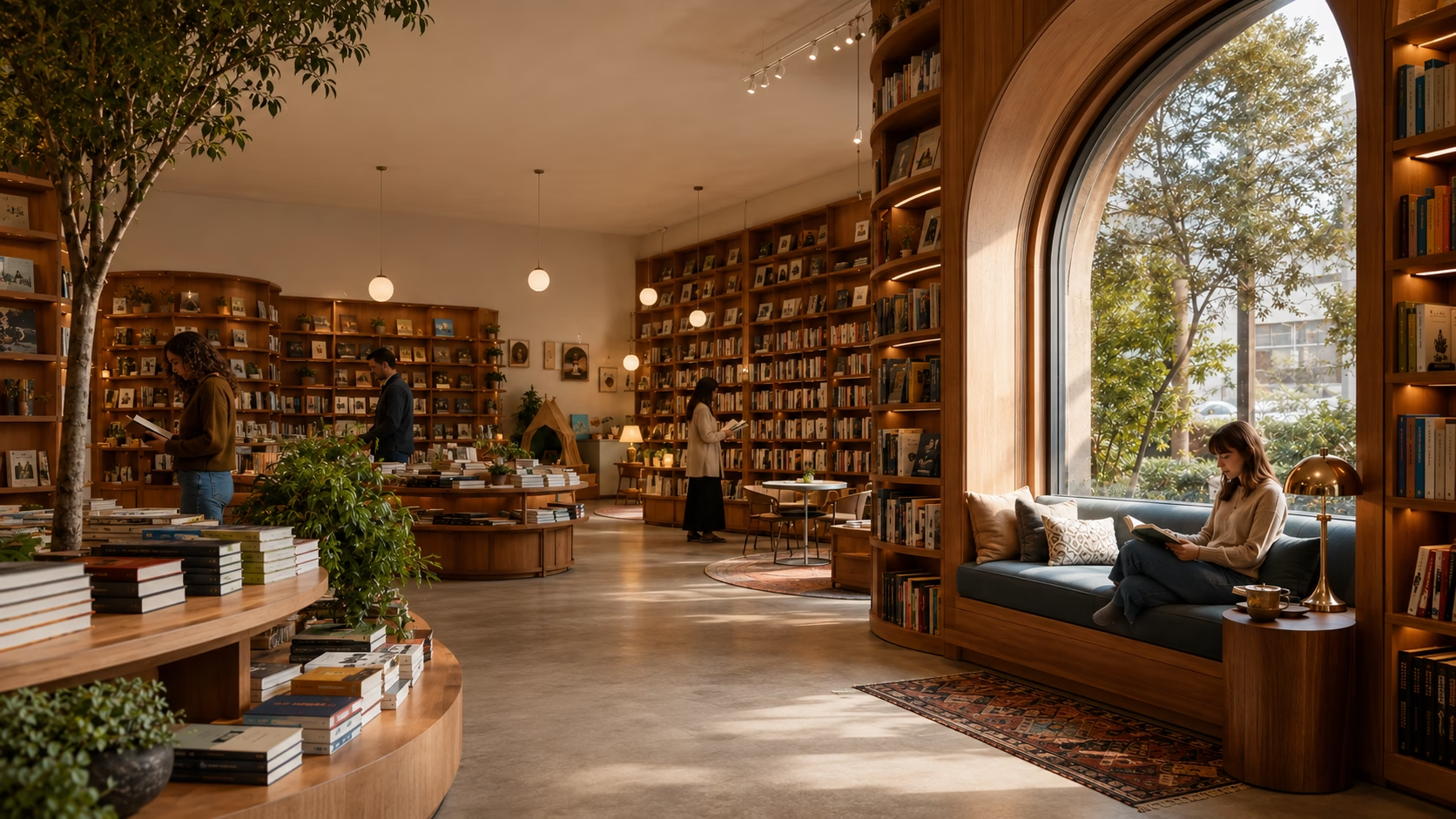
- Add an in-store café or a proper readers' corner - an armchair, good light - so "just browsing" turns into "still here an hour later, and now I've bought three things."
- Run a book club, an author reading, or a "blind date with a book" (wrapped, described only by a few handwritten hints).
- Sell the bougie merch: tote bags, enamel pins, candles that smell like "old library," the lot. Bookish people love bookish stuff.
🪴 Homewares, plants & lifestyle
- Host workshops - candle-making, terrarium-building, floral arranging, a styling night. People pay to attend and buy the materials. Lovely.
- Build an Instagrammable corner worth photographing. The free marketing is entirely the point.
🧀 Food, wine & produce
- Tastings, "meet the maker" evenings, a monthly regional producers' night.
- Cooking demos using exactly what you sell (and just happen to have in stock).
🛍️ Works for any store
- Expertise on the floor. Your staff's advice is your treadmill-and-jumbotron - free to offer, and impossible to download.
- The treasure hunt. Rotate a "new this week" or "one-off finds" corner so a visit always holds a little surprise.
- Make it giftable. Beautiful wrapping, gift bundles, a card-writing station. Giftability is a reason to pick the physical thing.
- Seasonal moments. Late-night shopping nights, launch parties, a Christmas window worth a special trip across town.
How to actually get people to turn up
An experience nobody hears about is just a very quiet party for you and the staff. Promotion is half the job:
- Build the hype online, cash it in offline. Product desire gets built on a phone screen; the sale happens in person. Post the behind-the-scenes, the setup, the gorgeous stock - then make the payoff in-store only.
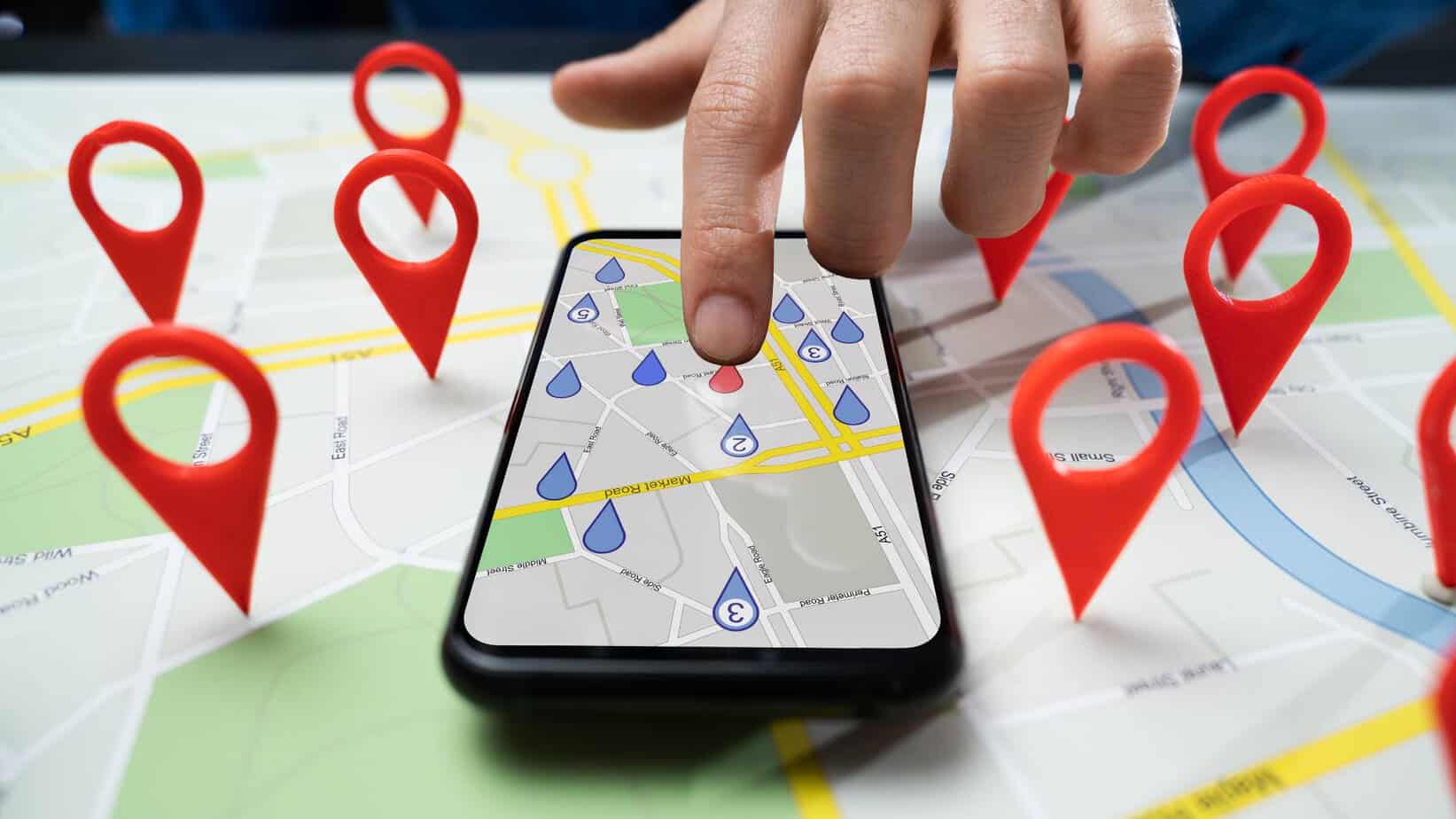
- Use email and your Google Business Profile. List every event on your Google Business Profile so "things to do near me" and "workshops in Orange" searches actually find you. Then send your list a short, benefit-led email.
- Make it photographable - and ask people to share. A styled corner does your advertising for free the moment a customer posts it.
- Tap local media and community groups. A line in the local paper or a post in a regional Facebook group ("Bathurst Our Town", the local business chamber) reaches the exact people who can walk in.
- Grab their details at the event. A sign-up sheet or QR code turns a one-off visit into someone you can invite back.
One 2026 note while we've got you: describe your events in plain, specific, answerable language on your website - real dates, real names, real prices. That's not just good for humans; it's how AI assistants and search now decide who to recommend when someone asks "what's on in Bathurst this weekend?"
The unbeatable card: shop local, together
Here's the argument no online giant can copy. When customers shop with you, they keep money, jobs and character in their own town. But the real magic happens when local businesses stop quietly competing for the same afternoon and start sharing it.
There's a tidy bit of behaviour behind this: when someone visits one spot regularly, they're far more likely to pop into the businesses beside it. A gym feeds the neighbouring smoothie bar; a bookshop feeds the café next door. Proximity plus a reason to be there creates a little corridor of foot traffic that lifts everyone on the street.
You can engineer that on purpose:
- Run a joint event. The bookshop hosts the author reading; the café supplies the coffee; the wine merchant pours afterwards. One night, three businesses, shared cost, shared crowd.
- Make a "shop local" trail or passport. A card stamped at five nearby stores with a small reward for a full house - turns one errand into an afternoon and walks people door to door.
- Bundle across businesses. The florist and the chocolatier build a gift pack neither could offer alone.
- Share each other's audiences. You post about the shop next door; they post about you. Everyone gets a warm introduction to everyone else's customers.
- Anchor to existing foot traffic. Next to a gym, a school or a busy café? Design an experience that catches people already on the move.
This is where a regional main street quietly wins. Online can beat you on price. It cannot offer a Saturday morning adventure - a coffee, a workshop, a browse, a chat with someone who knows your name, and a beautifully wrapped thing to carry home. That's an experience. And it only exists in one place: yours.
Where to start this month (no five-storey flagship required)
You need one experience and one reason to come in. That's it. Start here:
- Pick one "un-downloadable" thing you can offer this month - a workshop, a tasting, a special-edition display, a launch night.
- Curate the physical object so it's beautiful, tactile and giftable. Find your sprayed edge.
- Promote it where your buyers actually look - social, email, your Google Business Profile, the local paper.
- Ring the business next door and split the cost of doing it together.
- Capture who came, so you can invite them back next time.
Do that consistently and you stop competing with the internet on its terms and start winning on yours: the tactile, the local, the human - all the things a screen was never going to deliver.